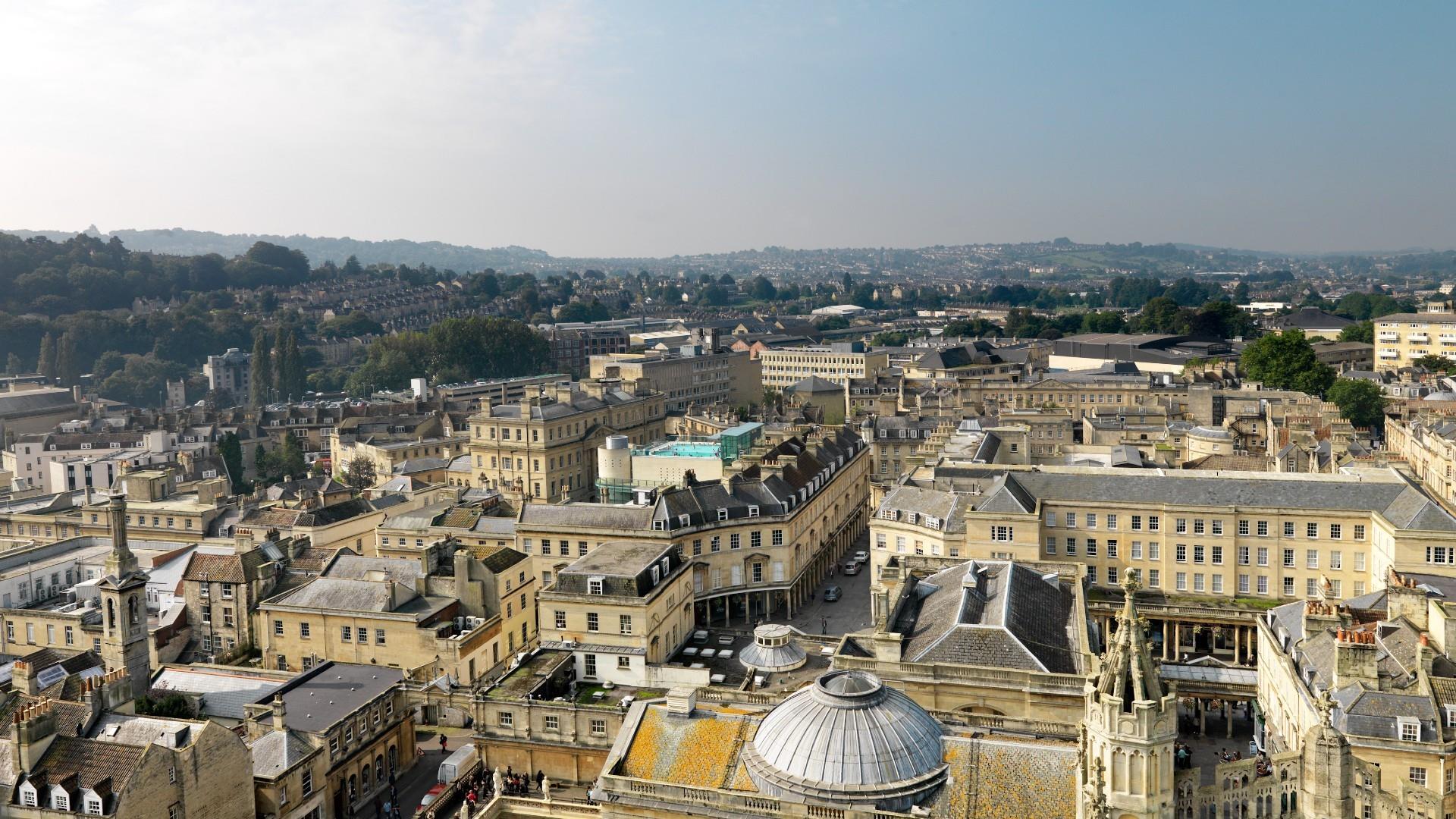
Traditional Afternoon Tea in the Perfectly Preserved
City of Bath
Prior to the advent of afternoon tea in Britain most people had just two meals a day. In between times Anna, the 7th Duchess of Bedford experienced a "sinking feeling" in the late afternoon and, to fill the gap, invented afternoon tea, serving up small cakes and sandwiches to her friends. The idea caught on and soon became fashionable with society hostesses. Today's visitor to Bath may also need to bridge the gap by taking afternoon tea in the famous Pump Room which is as popular today as it was in the Eighteenth Century.
Visiting Number One Royal Crescent in Bath, now a museum depicting life in Georgian times, it is easy to imagine the hum of genteel conversation in the Drawing Room as the ladies took tea and discussed the latest gossip and scandal. The Drawing Room on the first floor is the grandest salon and would have been used for entertaining. An elegant mahogany table displays delicate early Chinese porcelain tea cups without handles. Today slurping tea out of the saucer is not considered to be acceptable behaviour but part of the ritual of "taking tea" when it was first fashionable involved pouring your tea into the saucer to cool. This was for the very practical reason that the cups had no handles so they were too hot for comfort. The tea making ritual was performed by the lady of the house using tea kept in a locked caddy as it was a valuable commodity. In the basement kitchen there is a solid block of sugar from which lumps of sugar would have to be chipped off to serve with silver tongs upstairs in the Drawing Room.
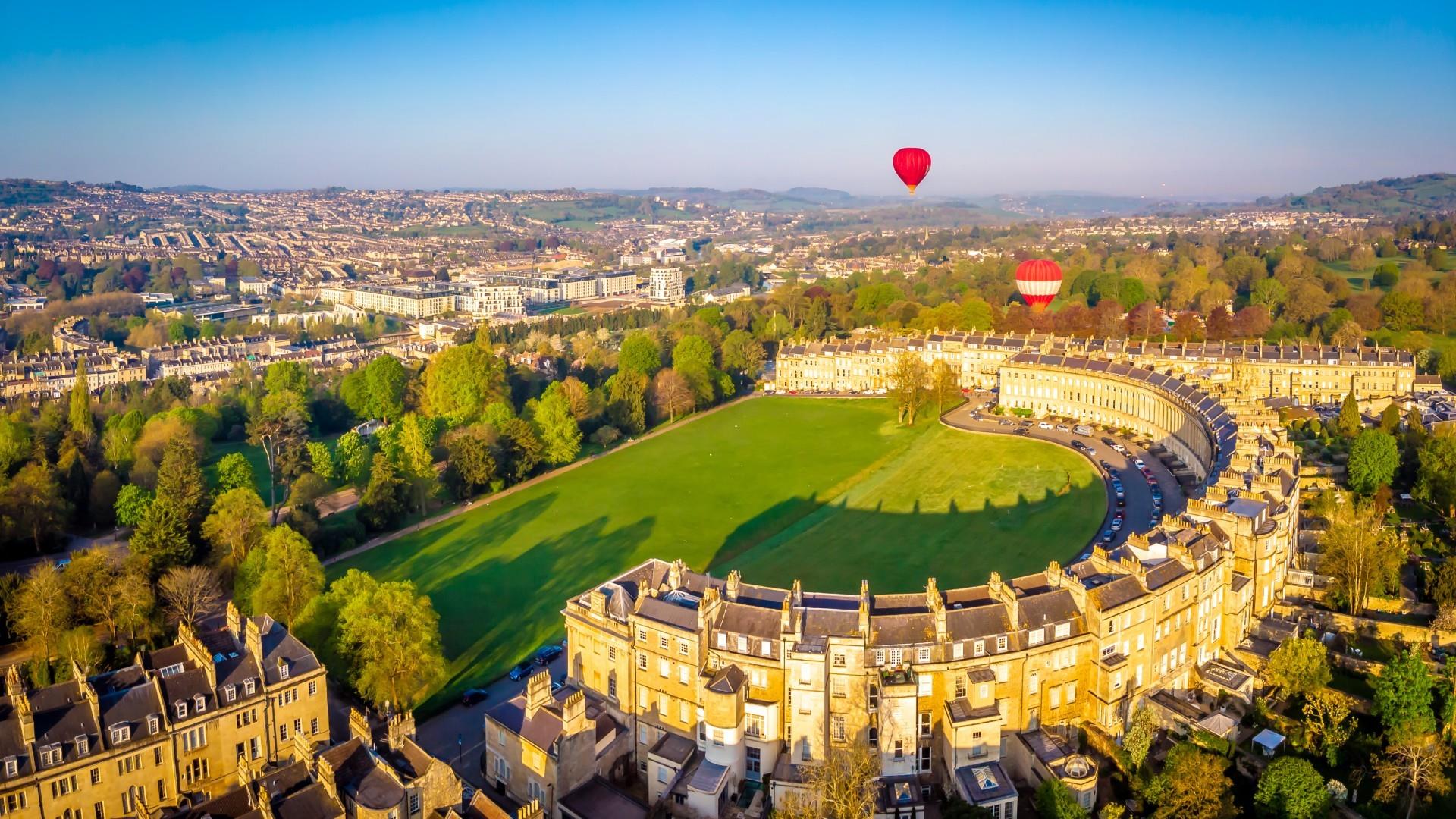
Designed by John Wood the Younger, the Royal Crescent was completed in 1774 and is one of the finest examples of Eighteenth Century architecture in the country. If you are seeking a prestigious address in Bath, they do not come much swankier than the Royal Crescent Hotel but it is not essential to stay overnight to visit this sumptuous hotel. Afternoon tea is served in grand style in the lounge or in the lovely gardens in the summer months and, at £16.50 a head, includes finger sandwiches, scones and cream, cakes and a selection of teas.
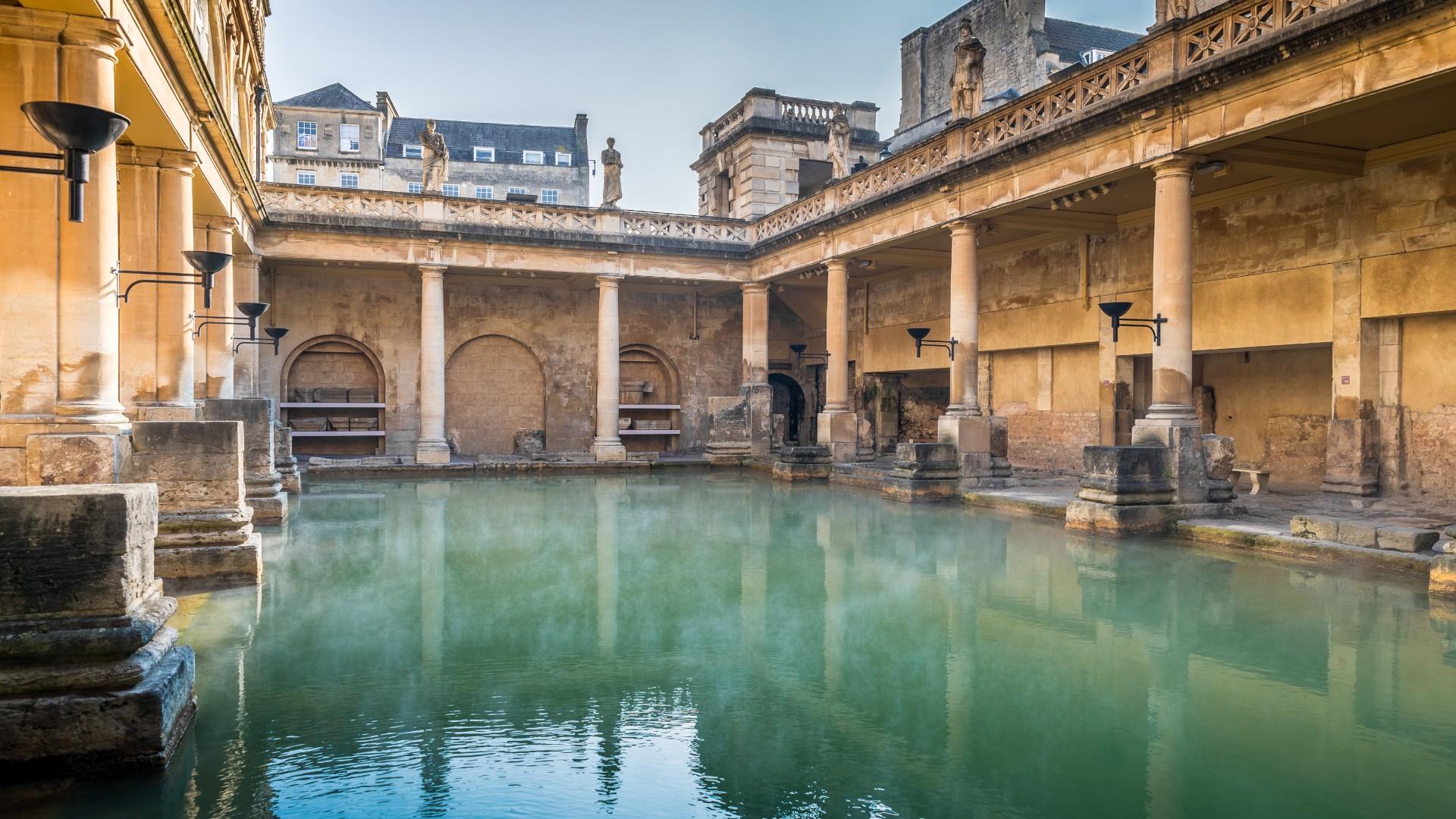
The newly renovated Pump Room dating from 1795, has been at the social heart of Bath since its Georgian heyday. The present Pump Room replaced the original dating from 1706 when it became too small to cater for demand. It was here that fashionable society congregated to sign the visitor book, to see and be seen and to take the waters. The spa waters are still on tap and the Pump Room is still buzzing with conversation. Afternoon tea, accompanied by the Pump Room trio, is a firm favourite. It comprises a platter of smoked salmon sandwiches, freshly baked scones and clotted cream, homemade cakes and pastries and selection of teas. Pump Room caterers Searcy's gained the Guild Award of Excellence from by the Tea Council in 2005.
In Abbey Street opposite the Roman Baths, Hands Tearoom is a family run tearoom set in a Georgian townhouse offering a choice of five specially selected teas. Speciality high tea is served on a two tiered silver platter with a choice of finger sandwiches, scones with local jams and clotted cream, cakes and pastries and tea. Here visitors can also sample the famous Bath Bun, a creation of Dr Oliver, an Eighteenth Century Physician to quell his patients' pangs of hunger.
Around the corner in the oldest house in Bath dating from 1482, Sally Lunn's serve their famous buns. These were introduced to Bath society by Sally Lunn, a Huguenot refugee who arrived in the city in 1680. The recipe is a closely guarded secret sold with the deeds of the house. The buns are similar in taste and texture to a brioche and served with clotted cream and strawberry jam or toasted with lemon curd and clotted cream in "Queen Victoria's Tea". In the basement there is a museum and shop selling specially blended teas.
At the Jane Austen Regency Tea Rooms the most popular option is to take "Tea with Mr Darcy" thus satisfying more than just a yearning for tea, sandwiches and cake. Lady Catherine's Proper Cream Tea, named in honour of that formidable character in Pride and Prejudice, includes a choice of seven teas and scones with jam and clotted cream. For more substantial fare, Salmagundy is an Eighteenth Century recipe including salad, nuts, cheese, fruit, meat, nuts and relish; the chef's salad of the day. The Jane Austen Centre was created to celebrate the life and works of one of Bath's most celebrated visitors and residents and attracts visitors from around the globe.
The American Museum in Britain is set in Claverton Manor perched above the Limpley Stoke Valley, an area of outstanding natural beauty. The terrace of the Museum with sweeping views of the valley is a fine place for tea. Here speciality American cookies such as the 'Connecticut Snickerdoodle' are served up as well as freshly made scones and sandwiches.
The museum showcases artefacts and furniture in a series of period room sets depicting domestic life in America from the days of the early settlers. The expensive pastime of taking tea in the Eighteenth century led to the demand for Chinese porcelain and that important commodity, tea, in the New World. The museum showcases fine Chinese porcelain and tells the story of the thriving tea trade between Britain and its colonies. The Museum depicts the gradual fall out over the tea trade between Britain and America which culminated dramatically with the "Boston Tea Party". The Bostonians, dressed as Indians, finally rebelled against punitive taxation on tea and jettisoned a cargo of tea into the harbour. This treacherous act ultimately led to the American War of Independence.
For every tea shop in Bath, there is a charming garden or tea shop out in the lovely countryside nearby. Nigel Vile has even composed a book of "Tea Shop Walks in and around Bristol and Bath" taking in the rich and varied landscape and rewarding exercise with a little indulgence. His chosen tea places include Sweetapples, a charming tea shop in the village of Marshfield set in a former malthouse with exposed stonework and traditional beams and a true farmhouse tea at Foss Farm reached by walking from the picturesque village of Castle Combe. He also recommends the view of the Mendip Hills as well as the lemon shortcake at the Chew Valley Tea Shop overlooking the reservoir.
Tea drinking is a national institution enjoyed by almost eighty per cent of Britons who drink 165 million cups every day. High profile tea drinkers include the Prime Minister, Tony Blair who has appeared in media photocalls with his mug of tea. In the Nineteenth Century tea was promoted by the temperance movement as an alternative to alcohol. George Orwell devised eleven rules for tea drinking including warming the pot and adding the milk to the tea rather than vice versa, always the subject for debate.
For further information on things to do and see and where to stay in Bath please call Bath Tourist Information Centre on 0906 7112000 (calls charged at 50p per minute) or log on to www.visitbath.co.uk
Notes to Editors:
1. For further information please contact Nicky Hancock on 01225 332299 or by e-mail at nicky@hancockcomm.com or Debbie Ponting at Bath Tourism Plus on 01225 477441 or by email on: debbie_ponting@bathtourism.co.uk
2. Bath Tourism Plus
Bath's destination marketing organisation, Bath Tourism Plus, began trading on 1st October 2003, taking over the management of tourism promotion from Bath & North East Somerset Council and in the process, establishing a ground-breaking partnership between the public and private sector.
Working with the public and private sectors Bath Tourism Plus takes full responsibility for co-coordinating the work of a busy tourist information centre, the marketing of Bath and the surrounding area to leisure and business travellers, PR activity to attract the nation's top travel writers, a conference office, and development of Bath's official tourism internet site www.visitbath.co.uk. Its primary objective is to optimise the value of tourism for members.
3. VisitBritain
VisitBritain has a website dedicated to Food and Drink with information about afternoon tea customs and history.
http://www.visitbritain.com/VB3-en/experiences/Taste/eat/afternoon_tea/tea_paraphernalia.aspx