Bath in 100 Objects - a city full of surprises
4th January 2011
The museums of Bath have nominated the most significant objects in their collections for “Bath in 100 Objects” now featured on a digital museum on visitbath.co.uk/100 objects. The objects tell the story of the people of Bath and their achievements and the evolution of the city from Roman times to the present day. Objects range from a Bath chair to a fizzy pop factory; a wig scratcher to a giant plug; and a collection of corsets to the telescope used to discover Uranus. 99 objects have been selected and the people of Bath are being invited to name the final object at the end of 2011, The Year of the Museum in Bath.
Inspired by the BBC project “History of the World in 100 objects”, Bath Tourism Plus invited the city’s museums to nominate objects and a panel of experts made the final selections. The aim is not simply to chronicle the history of Bath, but “to highlight some of the treasures on display in the city’s museums,” according to Robin Bischert, Chief Executive of Bath Tourism Plus.
The fascinating stories behind each object will inspire both the local population and the four million annual visitors to the city and help them to piece together Bath’s role in the history of the UK. As well as bringing moments of history to life, Bath in 100 objects is a lasting digital legacy for future generations.
Items that tell stories from unexpected chapters in the city’s history can be found in the seventeen museums in the city, like a bronze bust of William Harbutt the inventor of plasticine (the bust was originally modelled in plasticine before it was cast in bronze) or the telescope of William Herschel who discovered Uranus in 1781 the first planet to have been discovered since ancient times, doubling the size of the known universe. The entire workings of Mr J.B. Bowler’s engineering and mineral water factory at the Bath at Work Museum show how he bottled fizzy pop and ginger beer using his 19th Century carbonating plant. The choice of Bath Spa Station as an object pays tribute to its architect Isambard Kingdom Brunel who completed the Great Western Railway between Bath and Bristol in 1840.
Discover relics of Georgian life at Number One Royal Crescent such as an ivory wig scratcher used to relieve the irritation caused by fleas that infested the elaborate wigs worn by fashionable 18th century women. The wigs were built on a wire structure padded out with false hair to reach a fantastic height but unfortunately the powder and pomatum used to dress them attracted vermin.
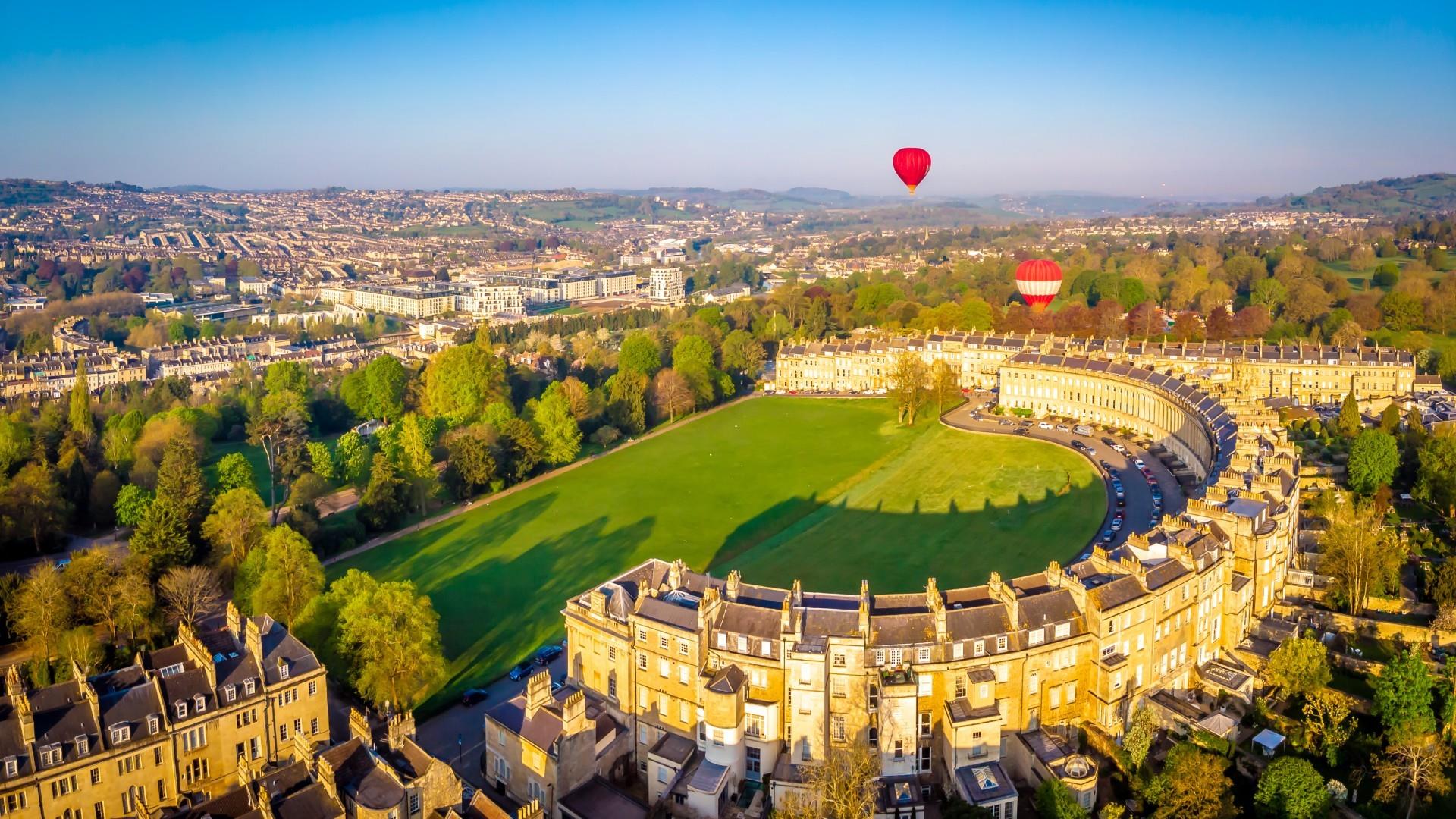
Bath is renowned for its architecture and is one of the few entire cities to be designated as a World Heritage Site, the 100 Objects include the Royal Crescent itself, designed by John Wood, The Younger in 1767. The Building of Bath Collection lifts the lid on the mystery of how these magnificent terraces were constructed. A working model demonstrates the mechanics of the ubiquitous sash window.
Ralph Allen’s postal contract is displayed at the Postal Museum. Before his intervention all mail was delivered via London but Ralph Allen devised a more direct system and made a fortune which he used to buy the stone mines in nearby Combe Down where the famous Bath stone was quarried.
Fine craftsmanship is celebrated in many ways in Bath. In the Assembly Rooms, once the social hub for fashionable society, the eight foot high chandeliers originally lit by candles are some of the finest to have survived from the 18th Century.
The Assembly Rooms also house The Fashion Museum with an exceptional collection of corsets among its treasures. Other unusual objects include a 4000 year old jade bi-disc at the Museum of East Asian Art and one of the most exquisite Baltimore Album quilts in the world at the American Museum in Britain. Exquisite objects and fine paintings include the Byam family by Thomas Gainsborough can be found at Holburne Museum, re-opening in May 2011. The artist resided in Bath in the late 1750’s and captured many of its fashionable visitors.
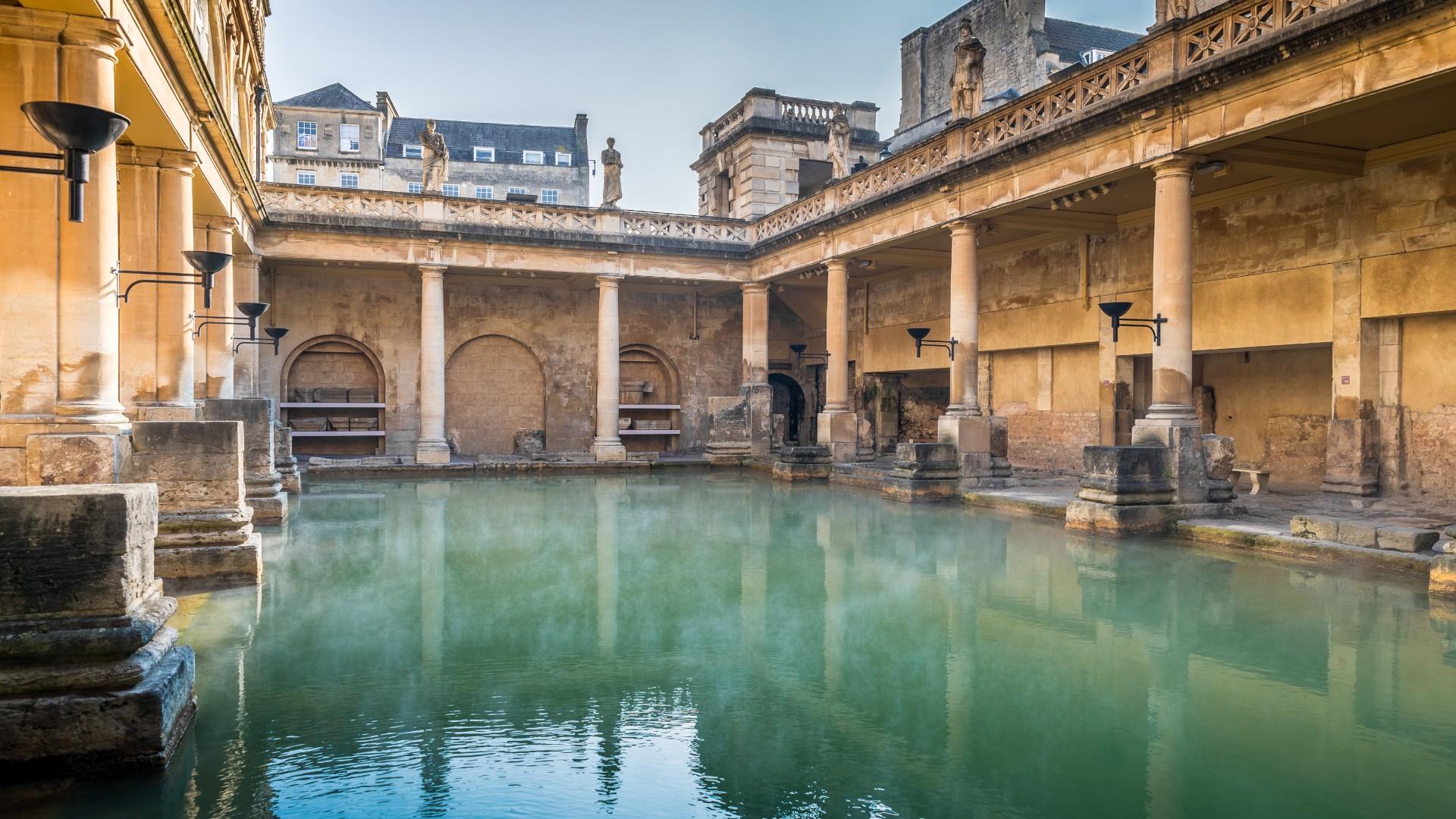
Travelling back to the Roman times, the Roman Baths has nominated some of their most treasured artefacts. Minerva’s Head is one of the most significant finds; the gilt bronze head of the goddess Sulis Minerva to whom the temple was dedicated. The Gorgon’s Head Pediment, is another remarkable discovery, part of only two classical style temples in Britain.
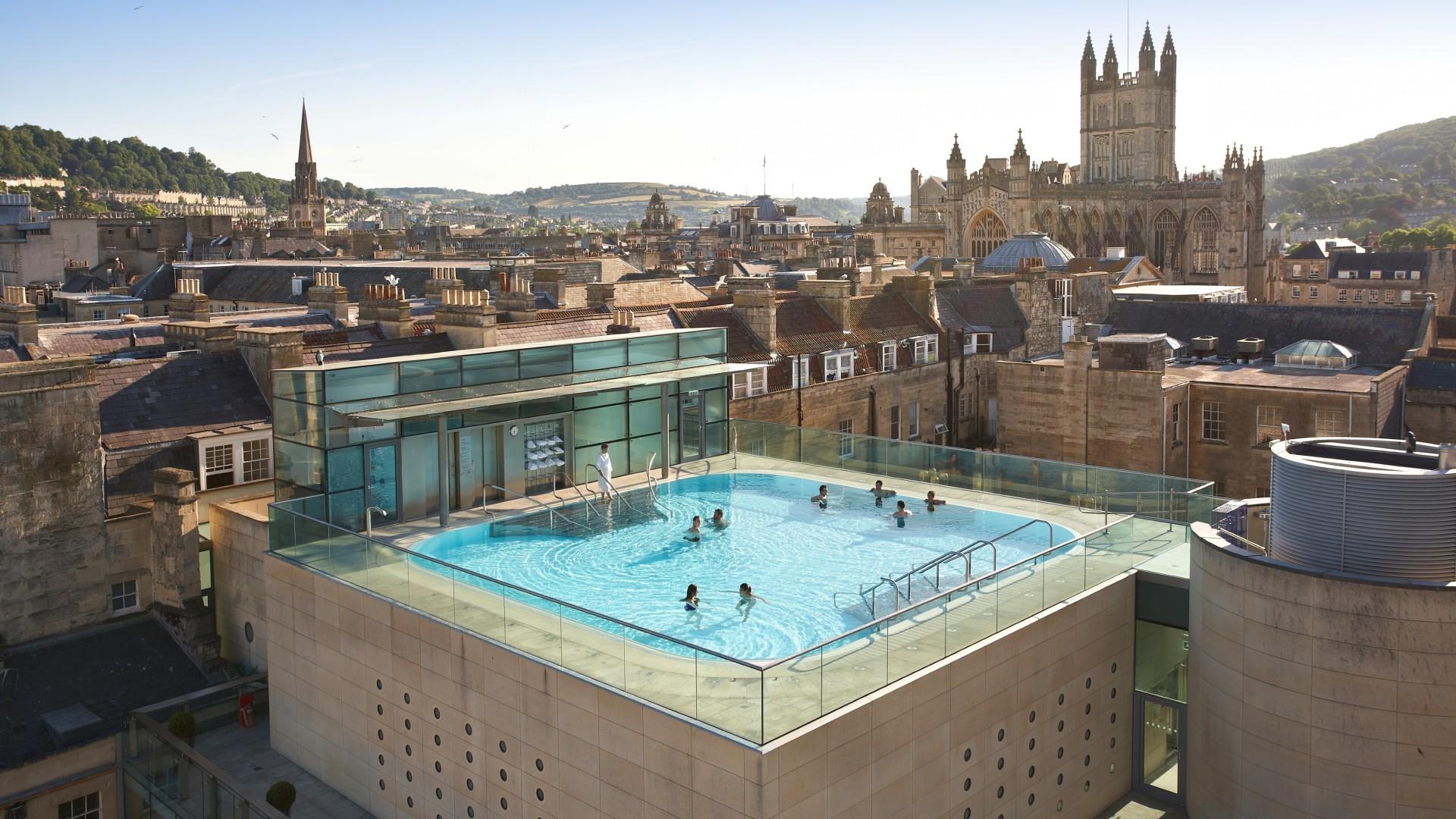
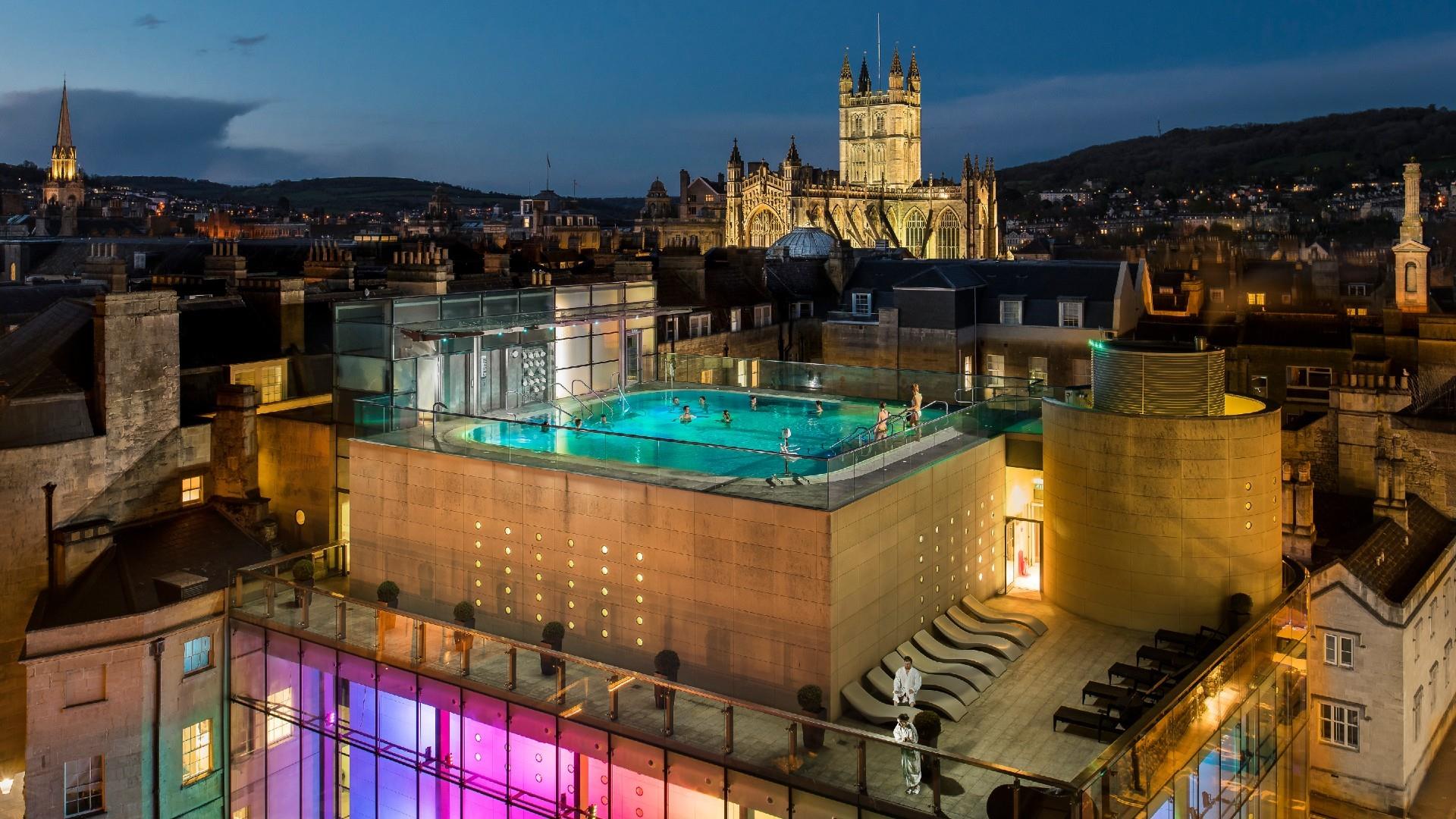
The sacred hot spring that has played such a pivotal role in Bath’s story is one of the chosen objects. The Hot Bath Plug at the Thermae Spa Visitor Attraction Centre measures a 26 inches in circumference and is seven foot tall. Another item on show is the needle douche, a contraption used for spa treatment in the Victorian era to cover the patient in needle like sprays of hot spa water.
Bath Tourism Plus has co-ordinated the Year of the Museum in 2011 which sees the re-opening of the Holburne Museum in May and the completion of major investment programmes at the American Museum in Britain and the Roman Baths. The three museums have invested more than £20 million in development between them.
For a city of its size Bath has more museums than most, with 17 museums within a square mile. Many of them tell the story of the city’s history or of the extraordinary characters that made Bath their home; like William Beckford who built his folly, the Beckford Tower to house his treasures, and astronomer, William Herschel. The programme for the Year of the Museum in Bath includes special events and exhibitions and a new World Heritage Audio Trail.
- ENDS -
For further information and images, please contact Lucy Weaver at Bath Tourism Plus on 01225 477441 or email lucy_weaver@bathtourism.co.uk or Nicky Hancock, Hancock Communications on Tel: 01225 332299 or e-mail:nicky@hancockcomm.com.
Notes to editors:
2011 is Bath’s Year of the Museum, a campaign involving all seventeen museums in Bath. The sheer variety of museums enrich any visit to Bath. Many tell the story of this fascinating city while others delve into a variety of interesting topics.
For a city of its size, Bath has more museums than most, 17 within a square mile, which represents one for every 5000 people who live in Bath. Each museum will be running a full programme of events and exhibitions both for local residents and for the four million visitors from around the world who come to Bath each year.
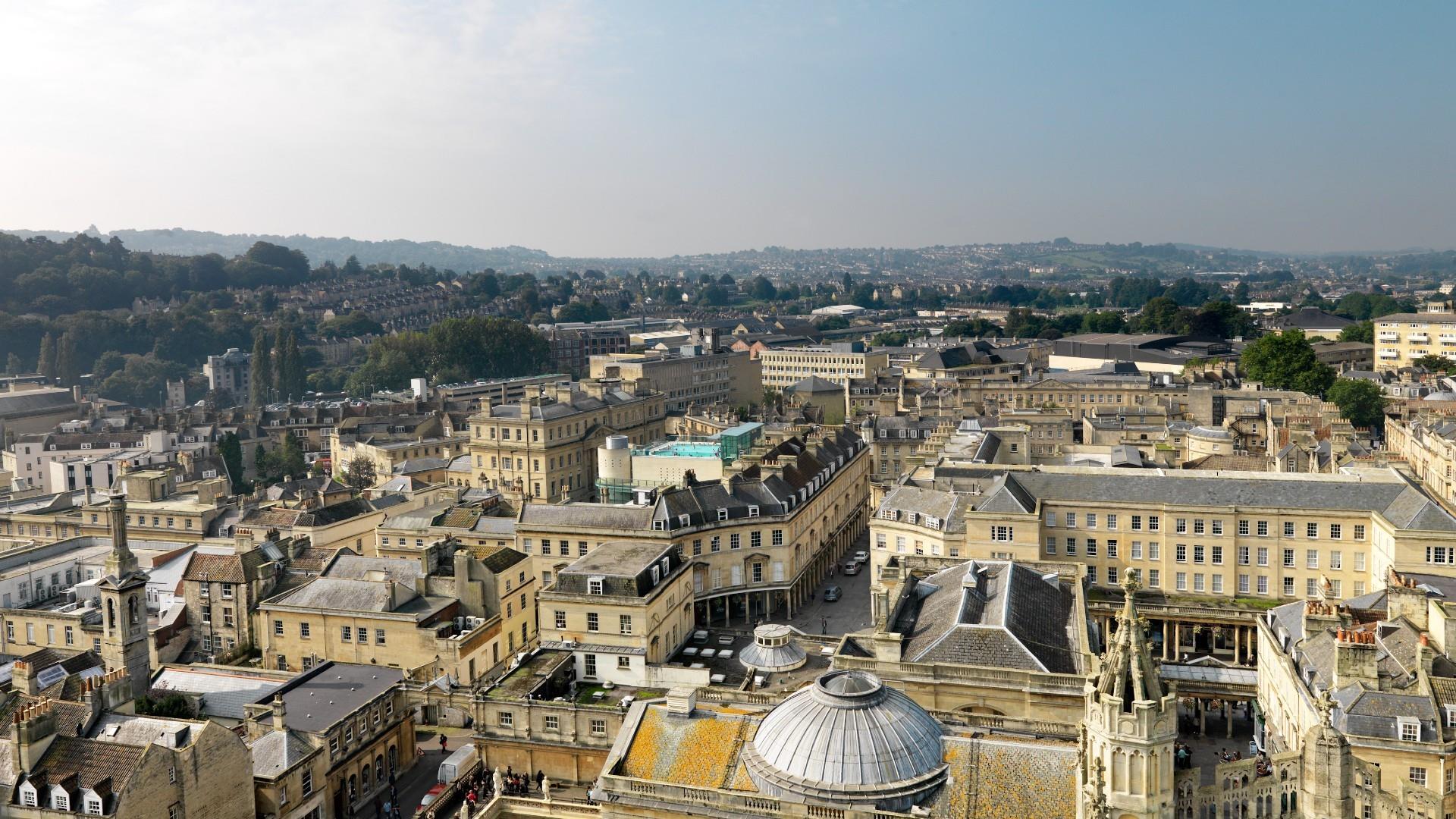
Bath is one of only a few cities in the world to have the coveted World Heritage Site status, and in many ways Bath is like a virtual museum with a piece of history around every corner.
Over the past five years £20 million has been invested in restoring and redeveloping three of the museums; the Holburne Museum, the Roman Baths and the American Museum in Britain, creating new facilities and adding excitement to the displays.
Events throughout this special year will include the release of a World Heritage Audio Trail, Bath in 100 objects, Museums at Night, Museum of the Month, a lecture series and special events for Heritage Open Week.
For free or discounted access to many of Bath’s museums and attractions, residents are entitled to a free Discovery Card, whilst visitors can buy a Bath Visitor Card for only £3 to give them the same privileges.
For more details about these cards, and for further information on what’s happening during the Year of the Museum, go to www.visitbath.co.uk/museums


.jpg)