• View in Deutsch
  • View in English
  • View in Español
  • View in français

The official tourism website for Bath, England

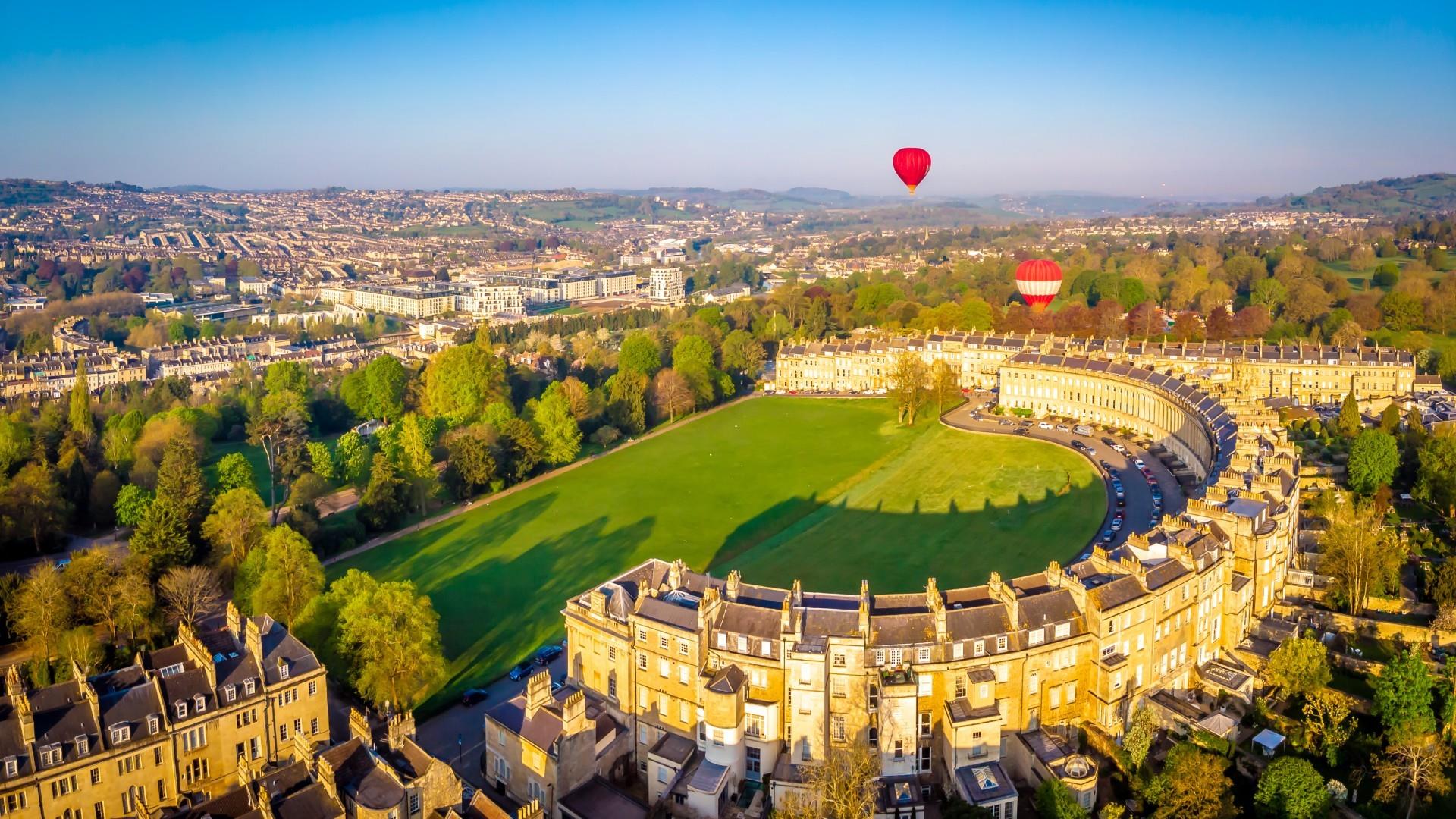
Royal Crescent, Bath

Bath's 2011 Year of the Museum

15th April 2011

With 17 museums within a square mile, Bath has much to celebrate in 2011, designated the Year of the Museum by Bath Tourism Plus, the official marketing organisation for the city. This collaboration of the city’s museums marks the re-opening of The Holburne Museum and the launch of Fab@50 at the American Museum in Britain, as well as the completion of a £5.5 million development programme at the Roman Baths. Highlights of the programme include special exhibitions and city wide initiatives such as World Heritage Day and Museums at Night.  Bath Tourism Plus has created a virtual Museum on visitbath.co.uk, Bath in 100 Objects and commissioned the new World Heritage Site Audio Tour. 

Expect the Unexpected
The Year of the Museum may change perceptions of museums for ever.  Celebrations include an astronomical star party on the Crescent Lawn; a Jane Austen style Regency Costumed Ball, a virtual canter up to Beckford’s Tower; Harley Davidson Rally and more.

Expect the unexpected, with all kinds of treasures waiting to be discovered in Bath museums. The Herschel Museum of Astronomy houses a replica of the hand built telescope used by William Herschel to discover Uranus, doubling the size of the known universe and a prism integral to the discovery of infrared, also credited to William Herschel. The Bath Postal Museum can boast the first recorded posting of a Penny Black and tells the story of entrepreneur Ralph Allen. Arriving in Bath in 1712 as postmaster, he reformed the entire postal service making him a fortune and then acquired the stone mines at Combe Down just as the Bath building boom took off in the 17th Century. A replica stone mine can be discovered at the Museum of Bath at Work which celebrates Bath as a centre of innovation and hive of industry in Victorian times. Behind the elegant city of Bath there have always been brewers, millers, and many unusual innovators invent plasticine and shorthand, building cranes for dockyards and early motor cars. Here J.B.Bowler’s engineering and soft drinks factory has been perfectly reconstructed.  Setting up shop in 1872 he was a self-made mechanical engineer, bell hanger, gas fitter and locksmith. All the paraphernalia of the factory creates an industrial time capsule with working demonstrations and anecdotes of the family including the loss of an eye by one of his daughter’s when a bottle exploded in the manufacture of fizzy pop.

William Churchill gave his first political speech at Claverton Manor, the home of the American Museum in Britain.  The Manor now contains entire room sets rescued from houses due for demolition in the USA.  Each one is exquisitely furnished to tell the story of a particular period of American history.  The museum café overlooks the Limpley Stoke Valley, one of the most beautiful settings for museum refreshments in the UK.

The Museum of East Asian Art is home to the largest collection of jade on display in the UK, with artefacts dating back as far as the Neolithic Period.

New Beginnings 
The HolburneMuseumis a hive of activity as objects are unwrapped ready for display in the museum which opens on 14th May after a £11.2 million scheme to transform and extend the building. This is the first time in 100 years that many objects have come out of wraps and an exciting new contemporary extension to the Grade 1 listed building provides exhibition space. “Peter Blake, A Museum for Myself” opens from mid May and “Gainsborough Landscapes, Themes and Variations” from September.

The American Museum in Britain celebrates its 50th anniversary with the special “Marilyn, Hollywood Icon” exhibition showing 20 of the screen goddess’s gowns and a fascinating collection of Marilyn memorabilia.  A Fab@50 trail highlights some of the gems among the museum’s 15 000 objects drawn from the decorative arts of the Americas. A new Folk Art Gallery opens, and The Coach House now offers facilities for meetings, lectures and other events; all part of a £4.2 million capital investment project.

No 1 Royal Crescent is soon to be reconnected with No 1a, the building that housed its servant quarters.  The Heritage Lottery Fund has just awarded £1.4 million towards the transformation.  The project will restore and open up the original kitchen and service rooms in both buildings, which will radically increase museum, education and exhibition space. The story of the house will be told from both upstairs and downstairs perspectives, so visitors will be able to find out what life was like living in Georgian Bath.  The Royal Crescent the most impressive architectural set piece in the city and the museum at No 1 reveals what life was like on the inside with its elegantly furnished rooms.

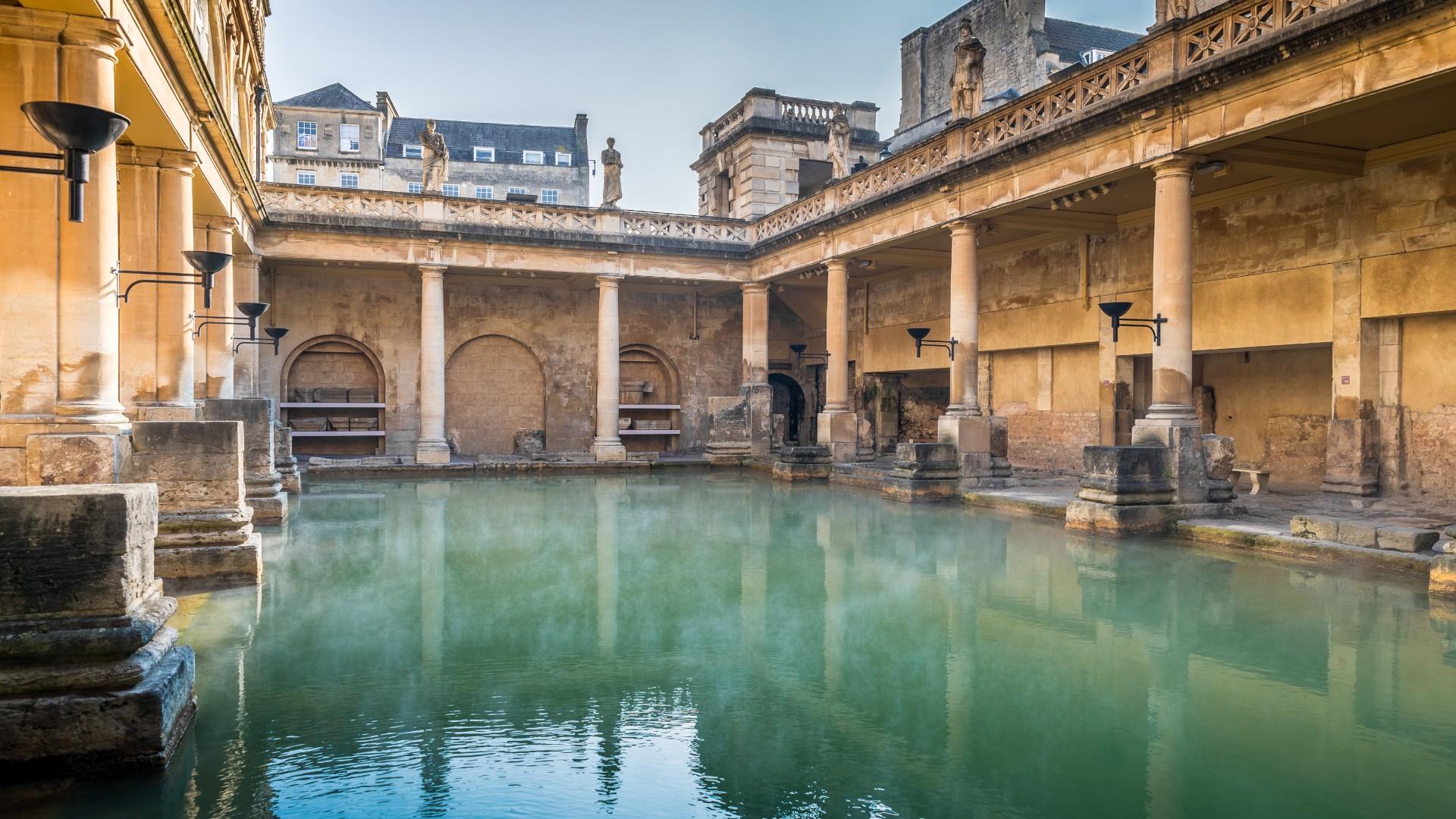
The Roman Baths is one of the best preserved Roman sites in Europe attracting nearly a million visitors a year from around the globe. Britain’s only hot springs with natural steaming spring water gushing forth from deep in the earth’s crust, provided the impetus for the construction of the Roman bathing and temple complex. The museum houses an extraordinary collection of relics, officially designated to be of national importance. 2011 marks the completion of a five year redevelopment programme at the Roman Baths, which has been transformed into a walking, talking, historical time-machine. With costumed interpreters of Roman characters bringing the experience to life, you can walk along Roman pavements in their footsteps.

The National History Museum is coming to Bath with a touring photographic exhibition,Wild Planet, supported by Bath & North East Somerset Council.  The outdoor exhibition features eighty images from the prestigious Wildlife Photographer of the Year.

Bath in 100 Objects
Bath in 100 Objects showcases the best of an incredible collection of historic and quirky objects that are housed throughout the city. Out of the thousands of objects on display in our museums, ninety-nine have been nominated which are deemed of special importance to the city. The perfectly preserved Minerva’s Head, a giant seven foot plug from the Hot Bath and even a Georgian wig scratcher all feature on the virtual museum on visitBath.co.uk. The cabinet maker’s chest at the Building of Bath Collection is more than an exquisite piece of marquetry. This chest was created by a carpenter at the end of his apprenticeship as an early form of advertisement to show off his skill and creative wizardry. If you look carefully you will see the maker depicted enjoying a well earned glass of ale after a hard day’s Georgian labour. The hundredth object will be chosen by the people of Bath and announced at the end of the year.

World Heritage Audio Trail
It’s not just the museums of Bath that are steeped in history; take a self-guided tour across the city with the new “World Heritage Audio Trail”, available to download from visitbath.co.uk. The brand new trail, recorded by Dr Amy Frost Curator of Beckford’s Tower, will guide you around some of the most historic and picturesque areas of the city. She describes with infectious enthusiasm how the architectural set pieces were designed and constructed whilst delving into the city’s fascinating history from Roman through to Georgian times. A walking tour is ideal for the compact city of Bath and this format allows visitors to take it at their own pace with stops for coffee along the way or dipping into one of the museums to find out more about a particular aspect of the city’s evolution. Visitors to Bath have an appetite for walking and like the independence that a DIY trail can give. It’s the perfect way to learn about the city’s heritage, or to re-discover it.

People of Bath
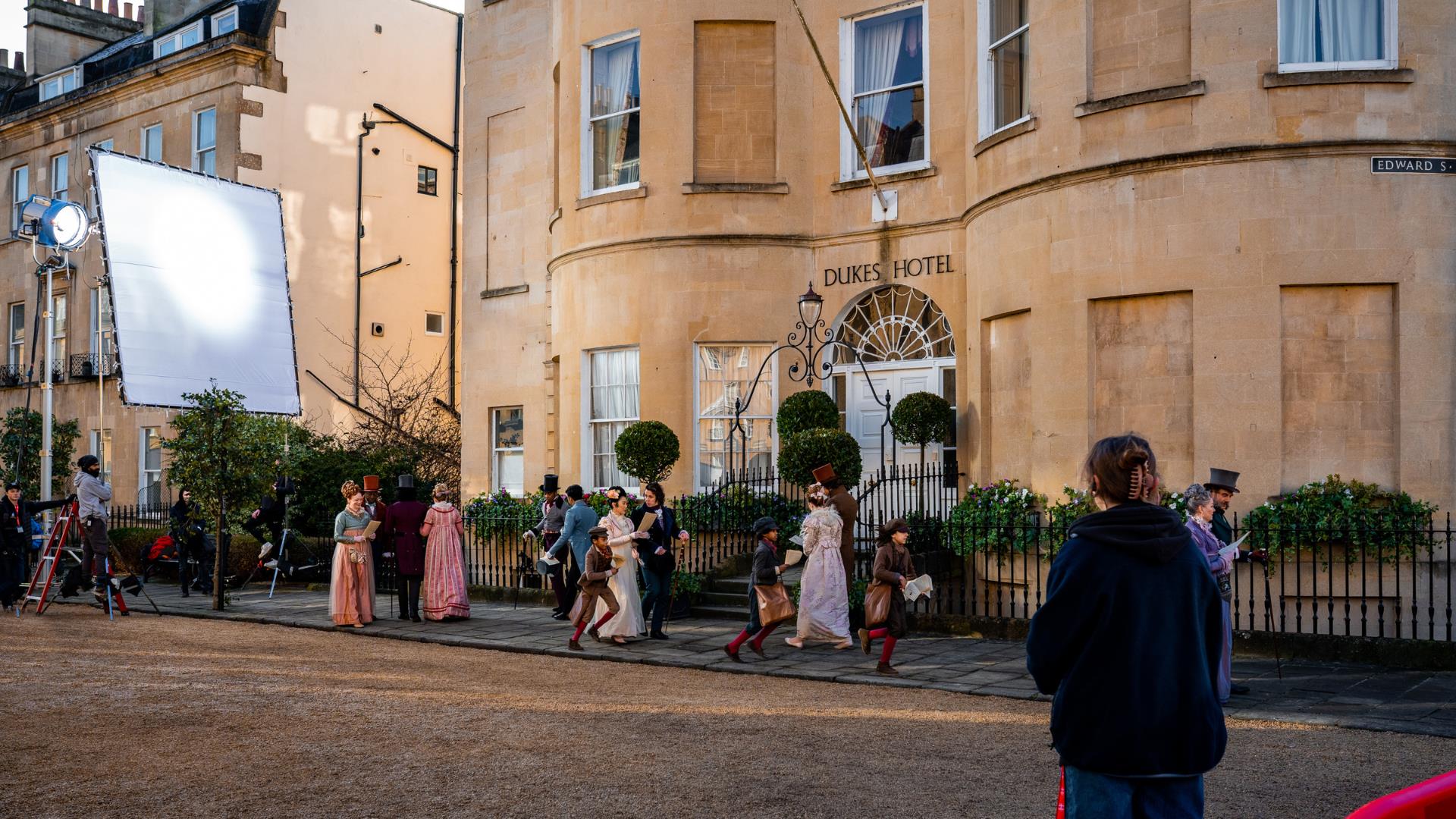
Many of the museums of Bath tell the story of the city, or of the people who made Bath their home. Novelist and icon Jane Austen is perhaps the most famous resident of Bath, with The Jane Austen Centre celebrating her life and the time she spent in the city. Their annual Regency Costumed Ball set a world record in 2009 for the largest gathering of people dressed in regency clothing, and this year’s event will be held on 9th July.

The eccentric William Beckford built his extraordinary 120 foot high folly, Beckford’s Tower some 250 years ago so he could admire his collection of precious objects and gaze out across the countryside. This year, the museum launches its virtual ‘Beckford’s Ride’, a project where recovered evidence from written accounts and contemporary drawings are being used to create an interactive computer reconstruction, and will also host a series of lectures by Curator of Beckford’s Tower, Dr Amy Frost.

Sarah Siddons, one of the greatest English tragic actresses that ever walked the boards, built her reputation at Bath’s original Theatre Royal. The Old Orchard Street Theatre pays tribute to the historic actress.  Having opened in 1750 the theatre attracted the country’s top players for more than fifty years. It is also considered one of the grandest Masonic Halls in the country, with a fine collection of rare Masonic artefacts. The Queen’s Head Lodge was formed in Bath is 1724, the first provincial Lodge in England.

Events and Exhibitions
Each museum will be running their own programme of events, exhibitions, and lectures throughout the year for both local residents and the four million visitors from around the world that come to Bath each year.

Feeding on Royal Wedding fever, the must see exhibition of the year is “What Will She Wear? The Enduring Romance of the Wedding Dress” at the Fashion Museum. This topical exhibition showcases some of the finest wedding dresses from the Fashion Museum’s collection, alongside previously unseen archives of photographs of couture wedding dresses from the 1930s. Also in tune with the Royal Wedding spirit is No 1 Royal Crescent with their “Wedding Feast” event, 16th April – 2nd May. The elegant Dining Room will be set for an 18th century wedding breakfast fit for a king, a Georgian wedding dress on display in the bedroom, and the chance to unravel 18th century marriage customs in their Wedding Trail.

The new exhibition “Omens and Inspirations: Ice Dust and Fire, The Story of the Great Comet of 1811” which was observed by William Herschel 200 years ago at the Herschel Museum of Astronomy will be supported by events, lectures and Astronomical Star Parties on the lawn in front of No.1 Royal Crescent. The Victoria Art Gallery supplements its permanent collection with a programme of exhibitions, currently showing Peter Brown’s “Bath Between Snows” demonstrating how Brown relishes the variety of the British climate, with work created in Bath come sun or sleet. The Museum of Bath at Work is celebrating the Festival of British Archaeology in July with guided walks, “Working Bathwick” and “Working Bathampton”.

The Building of Bath Collection’s new exhibition, “Putting Bath on the Map”, displays historic maps from 1605 to the present day showing the remarkable evolution of Bath from a medieval city to the Georgian spa and beyond. Until the rapid transformation of the Georgian period, Bath remained a city largely contained within its medieval walls. From these maps you get a sense of the extraordinarily dynamic transformation of the city during the 18th century, where rapid change forced an almost constant revision of the city’s maps. Alongside the exhibition they will also host a series of lectures focusing on maps and related themes.

City Wide Events
World Heritage Day on 17th April offers a sedan chair photo opportunity and events to celebrate the city’s World Heritage status. ‘Bath, World Heritage, & the 18th Century’ Day School. This day school explains the reasons the city has been given this accreditation. Tony Crouch, World Heritage Manager at Bath and North East Somerset Council said: “To truly appreciate the City you have to understand it.  This is where the World Heritage Day School comes in, encouraging all of us to enjoy finding out more about this very special place and ensuring future generations can appreciate it too.” The City of Bath has been designated a World Heritage Site by UNESCO since 1987 for its outstanding Roman and 18th Century architecture, its 18th Century town-planning and its social setting.

For Museums at Night, 13th-15th May hundreds of museums, galleries, libraries and heritage sites all over the UK will unlock their doors for evening events offering an opportunity to experience history after lights out. The Building of Bath Collection is offering free guided tours between 7.00-10.00pm on Saturday 14th May, with the chance to visit a Countess’ boudoir and to explore behind the scenes.

No 1 Royal Crescent is pitch perfect with a recital “Handel in Bath”, where Handel’s Nine German Arias will be accompanied by harpsichord and violin in this atmospheric setting, and Sally Lunn’s Historic Easting House will get your tastebuds tingling with a complimentary tasting of Bath’s most famous foodie treat, the Bath Bun. The Roman Baths will be holding a torch-lit evening event, and The Victoria Art Gallery will be keeping their doors open late with ‘Meet Pete the Street’, the artist behind their new exhibition, ‘Bath Between Snows’.

Love Your Museum weekend (29th April – 2nd May) provides Bank holiday activities for all. At the Roman Baths, meet costumed characters, make a laurel wreath & discover if you are a Roman citizen.

Year of the Museum is an initiative by Bath Tourism Plus to promote the city’s museums and celebrate the heritage of the city. Bath is one of only a few entire cities to be designated by UNESCO as a World Heritage Site, with more than 2000 listed buildings. For news of what’s happening go to www.visitbath/museums.

Notes to editors:

For further information and images, please contact Lucy Weaver: lucy_weaver@bathtourism.co.uk or 01225 477441, or Nicky Hancock, Hancock Communications by e-mail:nicky@hancockcomm.com.

2011 is Bath’s Year of the Museum, a campaign involving all seventeen museums in Bath.  The sheer variety of museums enrich any visit to Bath. Many tell the story of this fascinating city while others delve into a variety of interesting topics.

For a city of its size, Bath has more museums than most, 17 within a square mile, which represents one for every 5000 people who live in Bath. Each museum will be running a full programme of events and exhibitions both for local residents and for the four million visitors from around the world who come to Bath each year.

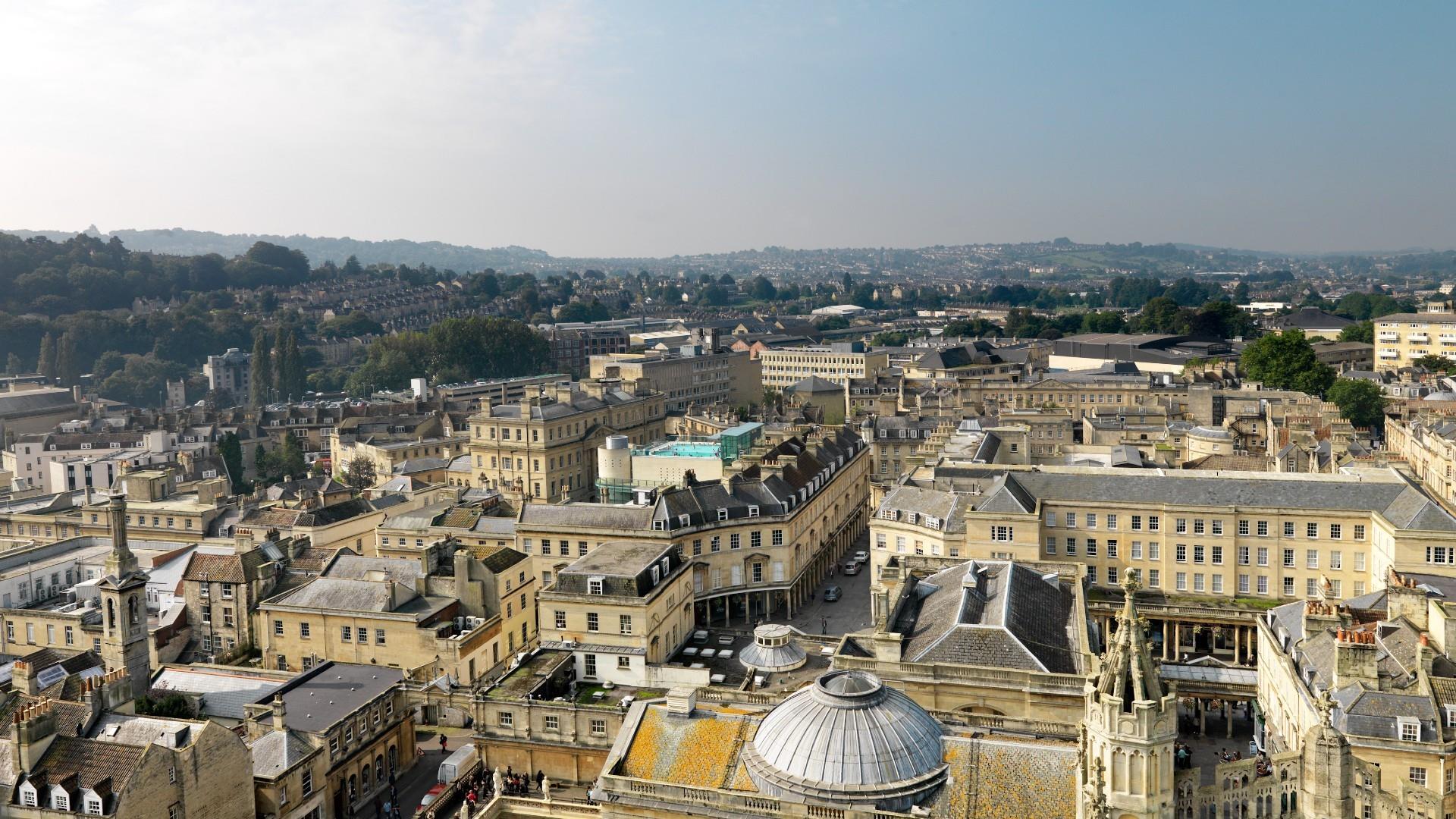
Bath is one of only a few cities in the world to have the coveted World Heritage Site status, and in many ways Bath is like a virtual museum with history around every corner.

Bath Tourism PlusBath & North East Somerset CouncilBusiness West